
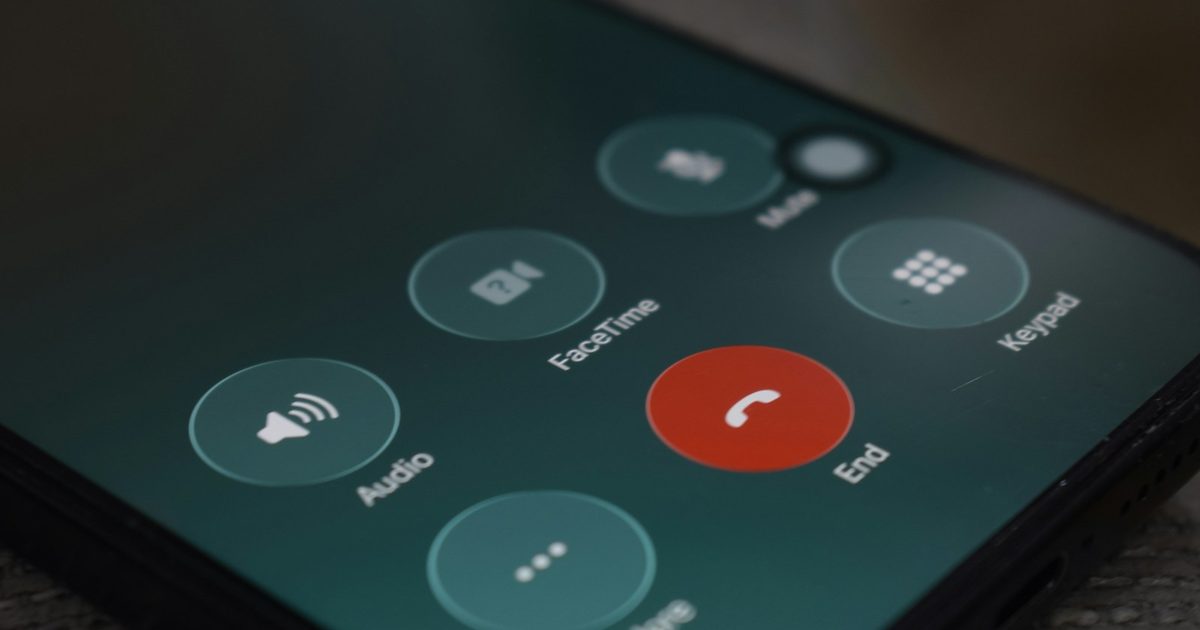
A spam call is not really a sales pitch. Neither is a spam text, and neither is one of those group messages where forty strangers are suddenly in a thread together.
All three are a question, and the question is the same: is there a real person behind this number?
The sender does not know. Numbers get generated in blocks, scraped from breaches, or bought in lists where most entries are dead. An unverified number is close to worthless. A number where somebody reacted is worth considerably more, because it can be sold on as confirmed, and confirmed numbers get worked harder by people with better scripts.
So the useful way to think about the thing buzzing in your pocket is not “how do I get rid of this” but “how do I avoid answering the question”.
Almost everything that feels like getting rid of it is an answer
This is the part that catches people out. Most instincts point the wrong way.
Answering the call is an answer, even if you say nothing. A connected call is a live number.
Pressing a key to be removed is an answer. On a criminal operation there is no removal list. There is a list of numbers where somebody pressed a key, and that is a better list than the one they started with.
Replying to the text, with anything at all, is an answer.
Posting into the group thread, including to tell everyone it is spam or to ask to be taken off, is an answer, and it goes to everyone on that list including whoever assembled it.
Trying to leave the group is worth calling out on its own. In the group messages spammers use there is usually no clean exit, so the attempt turns into a message, and that message goes to the whole list. Do not try. Mute it and move on.
Nick Kalapodis, Projects/Field Services Department Manager at Dynamic Network Solutions, puts it more simply than any of that.
“Any action other than blocking tells them the number is real,” he says. “Ignore it. Block it afterwards. Do not reply, do not post into a group thread, and do not try to leave one. The people sending these are not offended by being ignored, they just stop being interested.”
What to do instead, in order
Let it go to voicemail, or ignore the message. No answer, no reply, no keypress.
Block the number afterwards. Blocking is something your phone does locally. It sends nothing back, so it gives them nothing.
Mark it as spam. On an iPhone this is Report Junk, on Android it is Report spam. You can also forward a spam text to 7726, which spells SPAM. It reaches your carrier and the sender never sees it, it is free, and it helps the carrier filter that number for everybody else.
That is the whole procedure. It is deliberately boring.
The one thing to go and check
Here is the part people miss, and it is the reason the rest of this advice works.
Make sure your voicemail box is not full.
If you are going to stop answering numbers you do not recognise, and you should, then voicemail becomes the way a real person reaches you. A caller from a client, a carrier, a bank fraud department or a school office will leave a message. A spammer will not. Voicemail quietly does the sorting for you.
A full mailbox breaks that. The genuine caller gets a rejection tone, you never learn they rang, and the next time an unknown number shows up you answer it just in case, which is exactly the habit this is trying to break.
Clearing it takes two minutes and it is the only item on this list you do once.
Why this matters past the personal annoyance
For an organisation, a confirmed mobile number is not the end of the attack. It is the start of one.
A number verified as belonging to a real working adult gets resold and reused, and the follow up is rarely another car warranty recording. It is a voice call claiming to be the helpdesk asking someone to read out a code. It is a text to a finance clerk that appears to come from a director asking for an urgent transfer. It is a burst of authentication prompts at eleven at night, sent to somebody tired, in the hope that one gets approved.
Those attacks need a number that is known to work and known to belong to a particular person at a particular employer. The spam nobody thinks about is how that gets established.
None of which means anybody should feel foolish for having replied to one. The instinct to be polite, or to correct a mistake, or to get out of a thread you were never meant to be in, is a normal human instinct. It is precisely the instinct being tested.
If you want this to stop being one person’s problem
Everything above works on one phone at a time, which is the limitation.
Across a whole organisation the same advice becomes a policy question: which alerts your staff are told to expect from you and which they should never act on, how someone verifies that a caller claiming to be IT is who they say, and what a person does when they get an authentication prompt they did not ask for. Those are the controls that hold up when somebody is tired and the message looks convincing.
That is part of our email and identity security work.
In the meantime: ignore, block, mark as spam, and go and empty your voicemail.